Updated: November 2026 | Structured Overview of Tourism & Travel Conditions
Afghanistan has long been known as a crossroads of civilizations. Its history spans thousands of years and reflects a rich cultural and geographic diversity shaped by the Silk Road and regional influences.
Following recent government changes, tourism has become more structured, with increased reliance on organised travel planning, permits, and local coordination.
🌄 Natural Landscape of Afghanistan
Afghanistan features dramatic geography including the Hindu Kush mountains, remote valleys, and high-altitude regions.
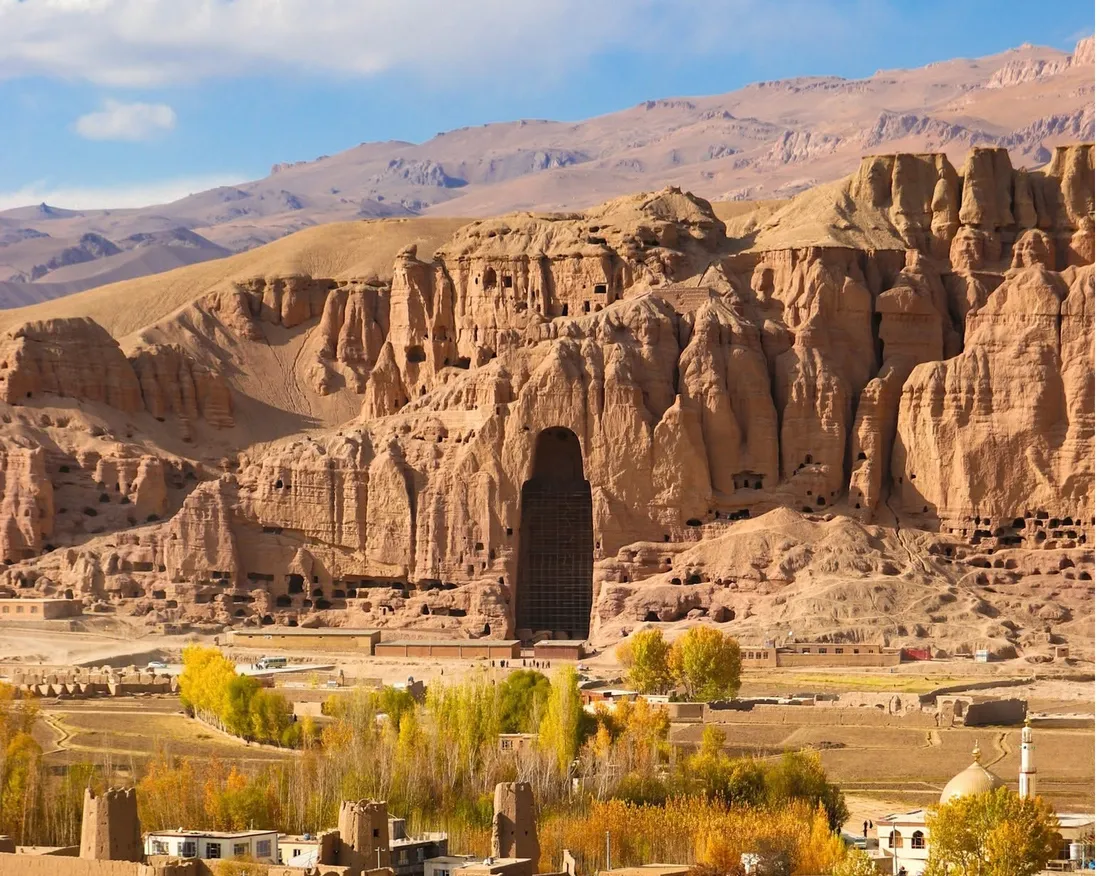
- Bamyan Valley – cultural landscapes and mountain scenery
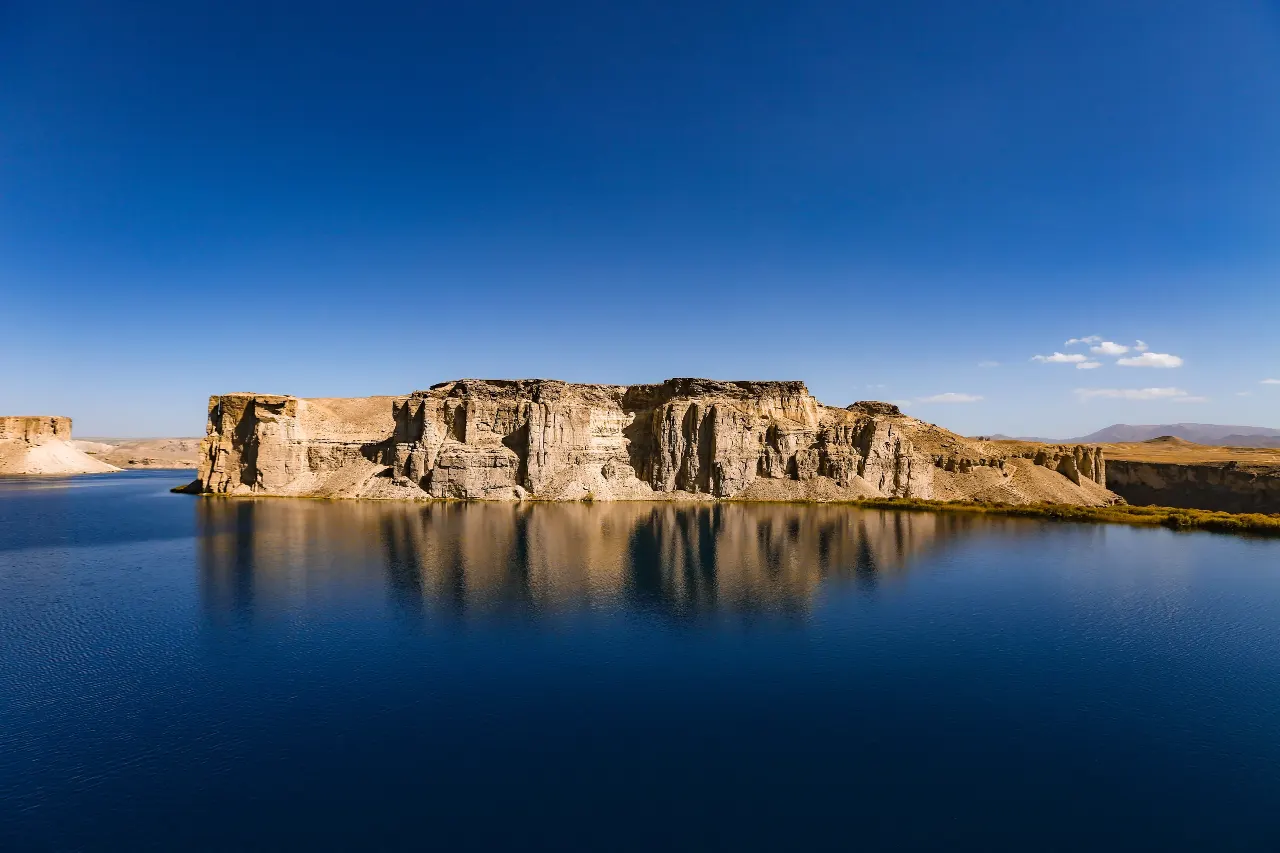
- Band-e Amir National Park – blue lake formations
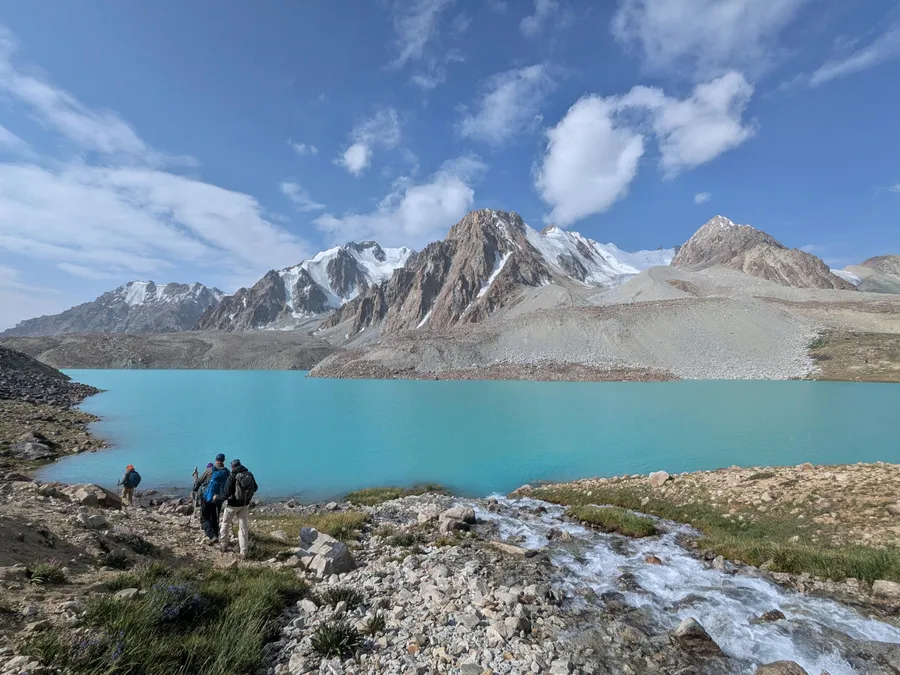
- Wakhan Corridor – remote high-altitude region
These destinations are typically visited through structured travel planning and local coordination.
🏛 Cultural and Historical Identity
Afghanistan is home to diverse ethnic groups including Hazara, Pashtun, Tajik, and Uzbek communities.
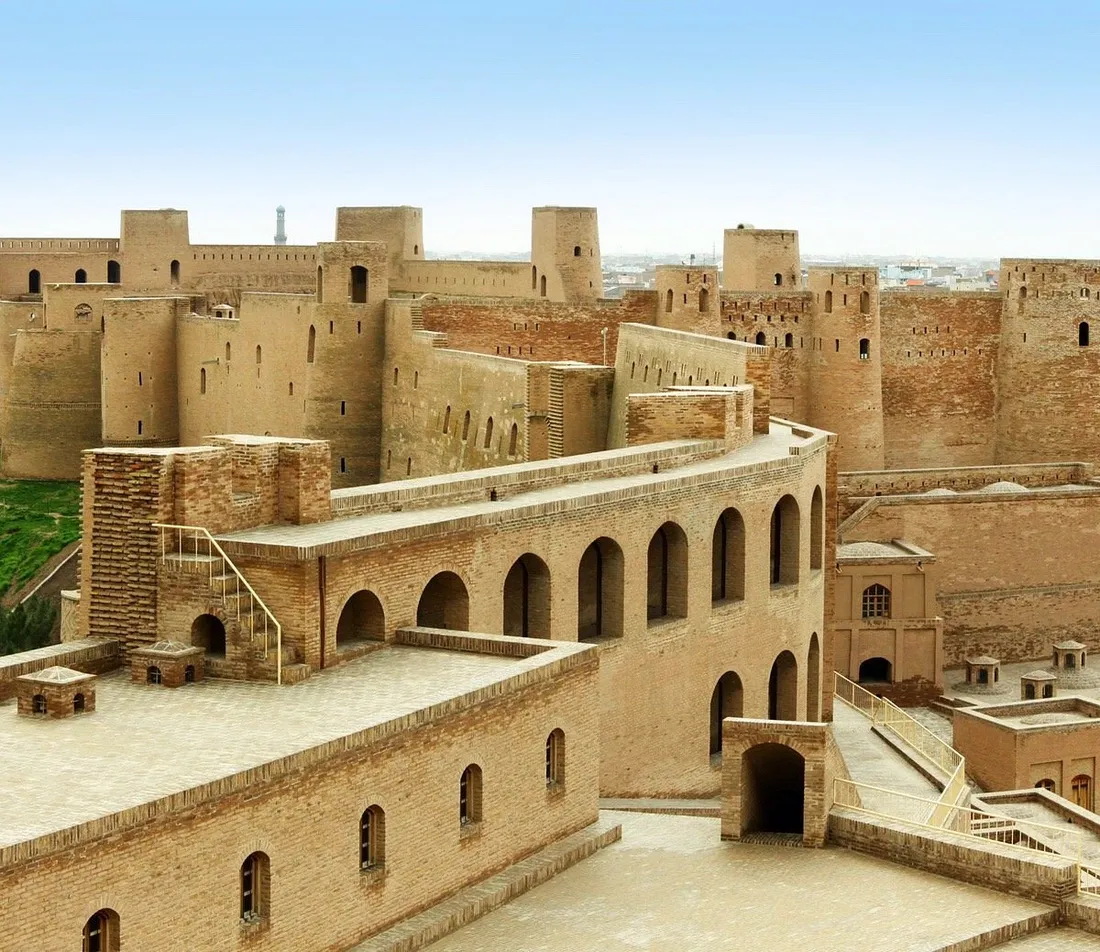
Herat and Kabul reflect centuries of history, architecture, and cultural traditions still active today.
🧭 Tourism After Government Change
- Pre-arranged itineraries
- Local guide support
- Transport coordination
- Regional travel permissions
🤝 Role of HAMIDI TMC
Organisations such as HAMIDI TMC assist travellers with logistics, itinerary planning, and guided travel support.
HAMIDI TMC provides structured travel coordination across selected regions of Afghanistan.
🌍 Future of Tourism
Tourism in Afghanistan is developing, with growth dependent on infrastructure, regulation, and international engagement.
Niche cultural and adventure tourism continues to attract interest.
🧾 Conclusion
Afghanistan remains a country of deep history and strong cultural identity. Structured travel now allows visitors to explore selected regions in a more organised way.
Plan Your Afghanistan Travel
Explore guided travel support with HAMIDI TMC.